Synology vs QNAP: Who wins the NAS battle for your SOHO?
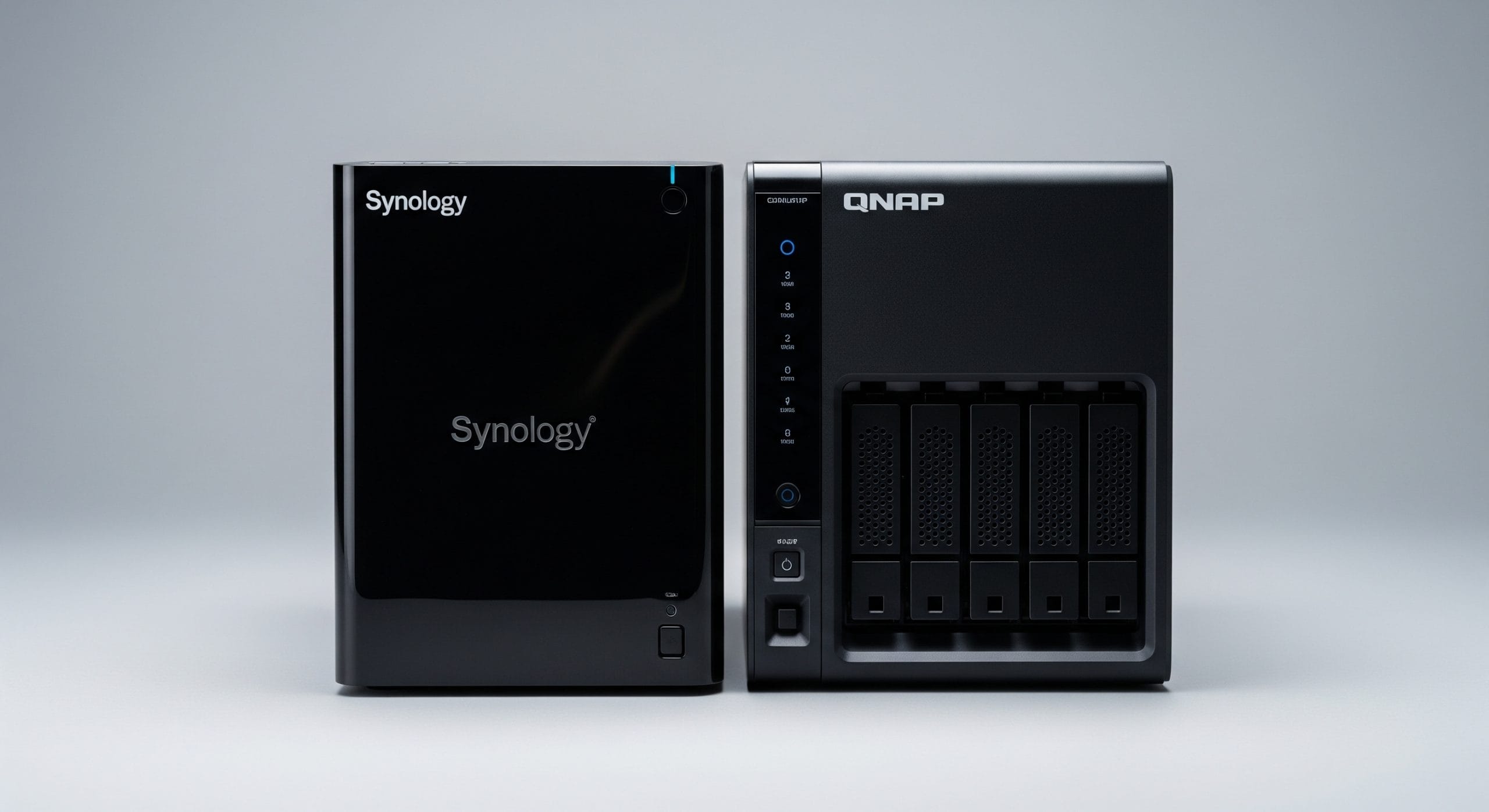
Which NAS platform has over 200 apps available, while the other doesn’t reach half that number? And (more importantly), which apps actually work properly? After spending weeks testing both Synology and QNAP ecosystems, I found some big differences in app quality and availability. Some essential apps that work flawlessly on one platform are either missing totally or broken on the other. Before you start spending, you need to know which platform will actually deliver on its promises. So it’s the big Synology vs QNAP shakedown…
The App Store Reality Check
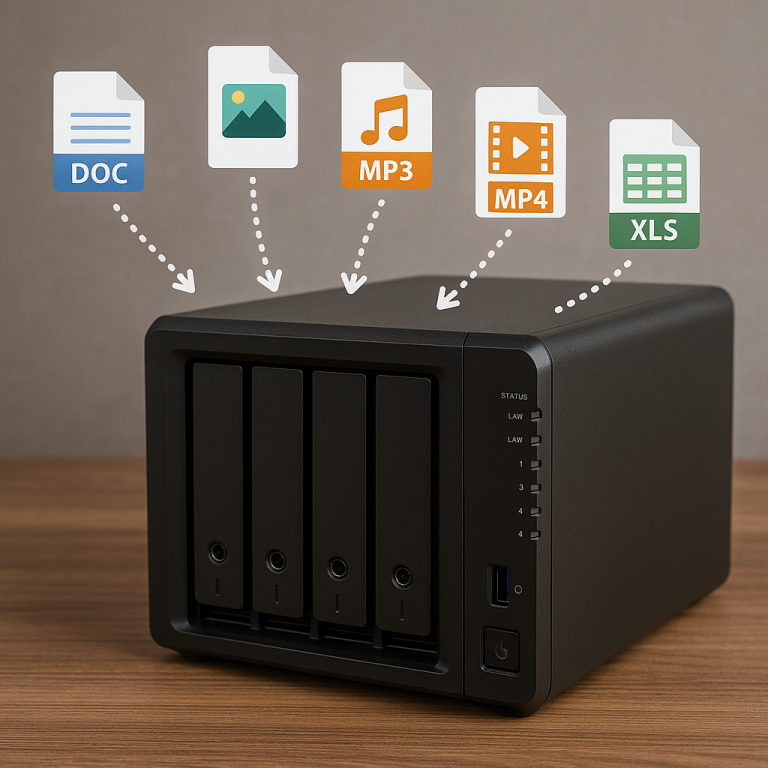
App stores on a NAS sound like marketing gimmick, but actually the ‘apps’ are essential. Don’t think traditional apps on your phone or tablet, think of a NAS app as like a ‘function’ that you are adding to your NAS. The basic facts at the time of writing are that Synology’s Package Center has over 200 apps available, while QNAP’s App Center sits at around 150, but those numbers don’t tell the whole story about what you are actually getting.
The actual reality of it though is having more apps means nothing if half of them are abandoned, poorly maintained, or simply don’t work as advertised. So the number of apps is not what you should pay attention to, but rather the number of solid apps that work reliably. I spent weeks installing and testing the most popular apps on both platforms, and what I found was genuinely shocking. Some essential applications that work flawlessly on one system (Synology) are either completely missing or broken on the other (QNAP), which could be a complete dealbreaker for you, depending on your use case.
First problem: when I tried setting up cloud sync with Google Drive, Synology’s Cloud Sync package connected instantly and has been rock solid for months, while the QNAP equivalent kept throwing authentication errors that took hours & hours of pain to resolve. The mobile apps tell an even more dramatic story. Synology’s DS file app feels like it was designed this decade, with intuitive navigation and reliable file transfers, while QNAP’s Qfile app looks dated and is buggy, frequently failing to upload larger files.
When I talk about ‘core applications’ I’m thinking about things like media streaming, backup, & remote access. I’ve tested everything from Plex servers to backup apps to surveillance systems, and the pattern is consistent. Synology’s apps tend to be more polished and reliable. In general terms I would say that QNAP sometimes offers more niche/experimental features that might appeal to highly technical users, but Synology definitely wins out in terms of reliability and useability.
Synology clearly wins on cloud sync reliability, with native support for all major services and consistent performance, while QNAP’s cloud sync often requires troubleshooting that can eat up your day. But before you make your decision based on apps alone, there’s something even more fundamental you need to understand about how these systems actually work day-to-day.
The User Interface Battle (That Actually Matters)
Here’s what no one talks about in NAS reviews, you’ll spend more time in the web interface than you think, and a bad user interface can turn simple tasks into time wasting puzzles. Both Synology’s DiskStation Manager (DSM) and QNAP’s QTS try to look a bit like your normal windows desktop operating systems, but one is much more successful than the other!
QNAP’s QTS looks impressive in screenshots with its Windows-like interface and fancy animations, but when you use it a lot, especially alongside Synology’s DSM operating system, you realise that it’s cluttered and counterintuitive. Many basic functions for example, are buried within confusing menus. The interface can be overwhelming, especially for new users.
Bearing in mind that UI can be a bit like art (some will like a painting and another will hate it), my view is that Synology’s DSM has a beauty and simplicity about it. This simplicity is deceptive as everything is exactly where you’d expect it to be, and complex tasks are broken down into logical steps. When I need to set up user permissions or configure network settings, DSM guides me smoothly through the process, while QNAP’s QTS often leaves me hunting through multiple menus & then googling in despair.
The real test came when I had to walk my friend through setting up remote access over the phone on his new Synology and with DSM, it took just over 10 minutes because the interface flows naturally from one step to the next. I had tried the same thing on my QNAP system, and almost a full hour later got the job done.
DSM’s sensible menu structure, consistent design & wizards make complex tasks manageable, while over at QNAP the QTS mostly hides essential functions behind confusing options that require you to remember where things are rather than finding them intuitively. The problem for QNAP (and QNAP users) is that few of us have the ‘bandwidth’ to memorise and learn interfaces that we have to use occasionally.
Mobile access reveals another big difference on the UI front. DSM’s responsive web interface works well on tablets and phones, giving you decent control from anywhere. QTS forces you to rely on dedicated mobile apps that don’t always have the features you need, which can be frustrating when you’re trying to manage your system remotely. And as I said previously, QNAPs app have a dated feel to them.
For anyone who values their time and sanity, DSM’s thoughtful design philosophy beats QTS’s feature-heavy but poorly organized approach every single time.
This final area of mobile accessibility could be a ‘make or break’. In my testing and use Synology’s mobile apps consistently delivered reliable file access and uploads, but QNAP’s mobile experience plagued me with connection issues. I’ve tested both systems extensively on the same network and fibre broadband circuits and the difference becomes obvious when you’re trying to access files remotely or upload photos from your phone. Synology wins out again!
If you’re investing in a NAS for your home or small office, remember that you’re not just buying hardware, you’re picking an ecosystem of software features you’ll interact with daily and become dependant on, and Synology’s superior software experience justifies any price difference.
If youre not yet convinced there is a final security argument to take note of. Synology generally has fewer reported security issues compared to QNAP. QNAP has had major security problems, notably ransomware attacks like DeadBolt and QSnatch, which exploited software weaknesses and affected many users, especially those exposing devices to the internet. Synology’s track record suggests better onboard software security and update reliability.
“A wise man makes his own decisions, an ignorant man follows the public opinion”.
Grantland Rice
My final advice therefore is, before you buy either system, download their mobile apps and try the web demos to make up your own mind!